Getting Ready for a Heat Pump Installation in Leicester — Before, During and After
Last reviewed: 2 October 2026
A practical guide for Leicester households with an installation date booked: what to prepare in the house and yard, what the installers do each day, and what to check before they leave.
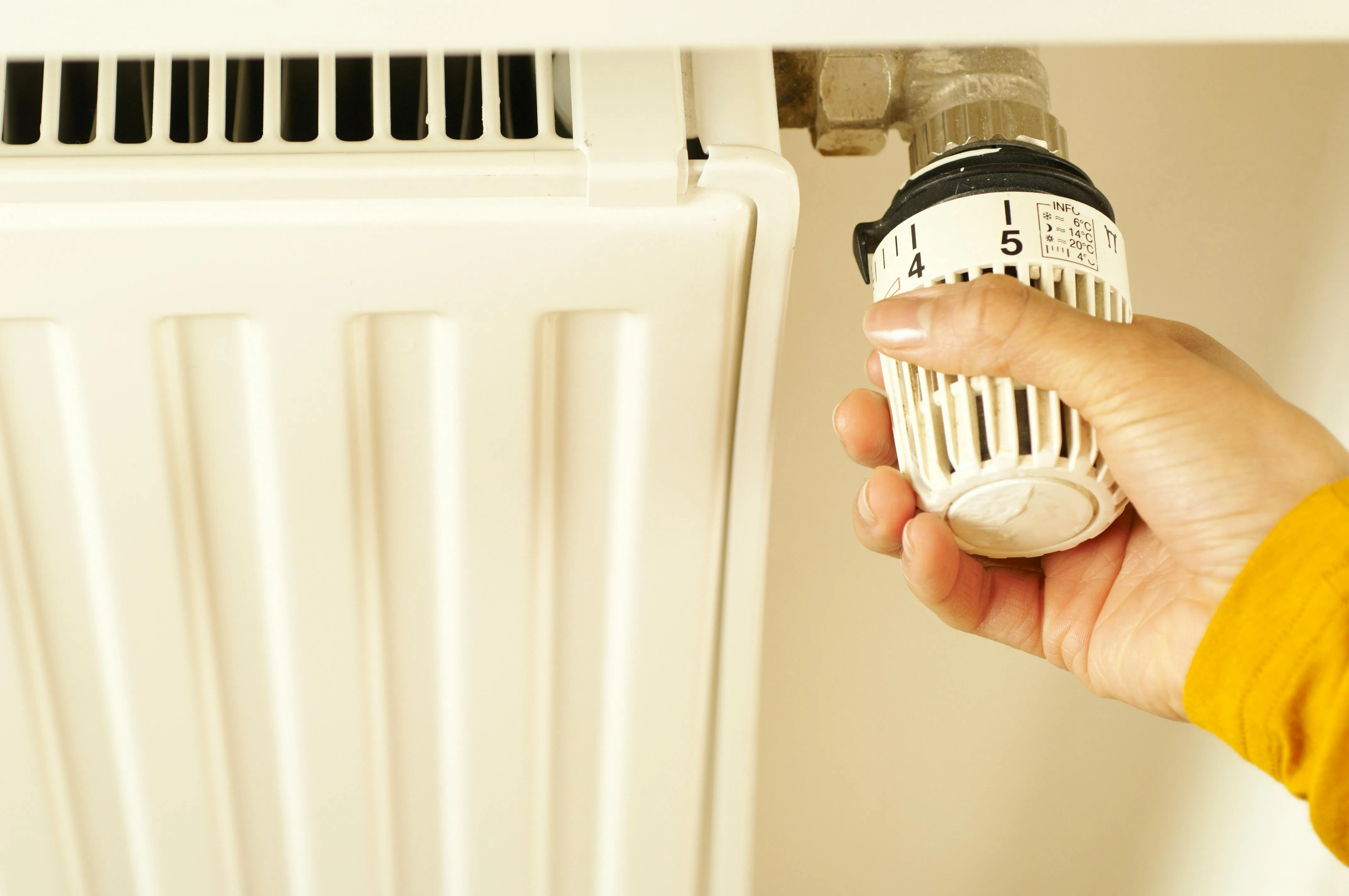
Before: the week leading up
By now you’ll have had a survey, accepted a quote and received confirmation that the Boiler Upgrade Scheme voucher has been issued. If you needed planning permission or listed building consent, that’s in place too.
Checklist for the week before:
- Clear the back yard where the outdoor unit will go, plus a route to it. In a Leicester terrace, that might be through the house or down the back alley (the jitty), so check the installer knows which.
- Empty the cylinder cupboard or the space where the new cylinder will go.
- Move furniture away from radiators being replaced. Your quote should list which ones.
- Check parking. Terraced streets in Clarendon Park, Highfields and the West End fill up fast. Ask where the van will park.
- Plan for hot water. Expect a day or two with limited hot water mid-week.
- Cellar access. If the cylinder or pipework is going in the cellar, clear a path down.
- Pets and children. There will be open doors, tools and holes in walls for a few days.
During: what happens on site
Most Leicester installations take three to five days.
Outdoor unit
A base goes down — concrete pad, slabs or a wall bracket — and the unit is fixed in place. In a tight back yard, a wall bracket can save space. The position will have been chosen to pass the noise test at your neighbour’s nearest window.
Pipework through the wall
The team cores a hole through the wall, often solid nine-inch red brick in Victorian terraces, and runs insulated pipes from the unit into the house.
Out with the boiler
The old gas boiler is disconnected and removed. Many Leicester terraces have a combi on the kitchen wall, freeing up a cupboard.
In with the cylinder
A 150–210 litre cylinder goes into the airing cupboard, a new landing cupboard or the cellar. Because Severn Trent’s water in Leicester is hard, expect a heat pump-rated coil and possibly a scale reducer on the incoming main.
Radiators
Undersized radiators are swapped for larger ones, usually three to five in a terrace: almost always the front room with the bay, often the back bedroom over the kitchen.
Flushing the system
Older heating systems are often full of sludge. The installer flushes the circuit, fits a magnetic filter and adds inhibitor, which protects the heat pump for years.
Electrics
A dedicated circuit for the heat pump, sometimes with a new consumer unit. The installer notifies National Grid Electricity Distribution, the network operator for the East Midlands.
Controls and commissioning
The controller is fitted, weather compensation set up, and the system filled, tested and run through heating and hot water cycles.
After: the handover checklist
Before the installers leave, make sure you have:
- a demonstration of the controller and app, and the settings to leave alone
- the MCS certificate, which you’ll need for the warranty and if you sell
- warranty registration for the heat pump and cylinder
- the commissioning record, showing flow temperatures and settings
- the heat loss calculation and system design
- advice on servicing intervals
- confirmation that the grant voucher will be redeemed and the final invoice will show it deducted
The first few weeks
- Leave it running. A heat pump keeps a steady temperature rather than heating the house in bursts. Switching it on and off twice a day like a gas boiler makes it less efficient.
- Radiators feel warm, not hot. That’s by design.
- Expect the odd defrost. On cold, damp mornings the outdoor unit pauses briefly to melt frost from its coil, sometimes with a puff of steam.
- Note any cold rooms. A follow-up visit to rebalance radiators or adjust the heating curve usually fixes them.
If you’re switching from storage heaters
Homes without existing radiators — flats and some post-war properties heated by storage heaters — need a full set of radiators and pipework installed. That makes the job longer, often six to eight days, and messier, with pipe runs under floors or boxed along walls. Plan to be out for some of it if you can.
Related: what a heat pump costs in Leicester · grant timeline
See what a heat pump would look like in your Leicester home
The mechanism is the same in every UK home; the design is specific to yours. Our team carries out a free in-home survey including a full room-by-room heat-loss calculation, identifies the system size and configuration that fits your property, and provides a written quote with the £7,500 BUS grant already deducted.
You'll see the actual figure you'd pay — not an estimate — and the projected efficiency for your specific install.