Heat Pump Sizes for Leicester Homes — A Quick Guide
Last reviewed: 2 October 2026
Most Leicester homes need a heat pump between 5 and 9 kW. This quick guide gives typical sizes for the city's common house types, explains what pushes the figure up or down, and shows why a proper calculation beats a rule of thumb.
Quick reference
| Leicester home | Typical heat pump size |
|---|---|
| Flat in a converted house or modern block | 4–5 kW |
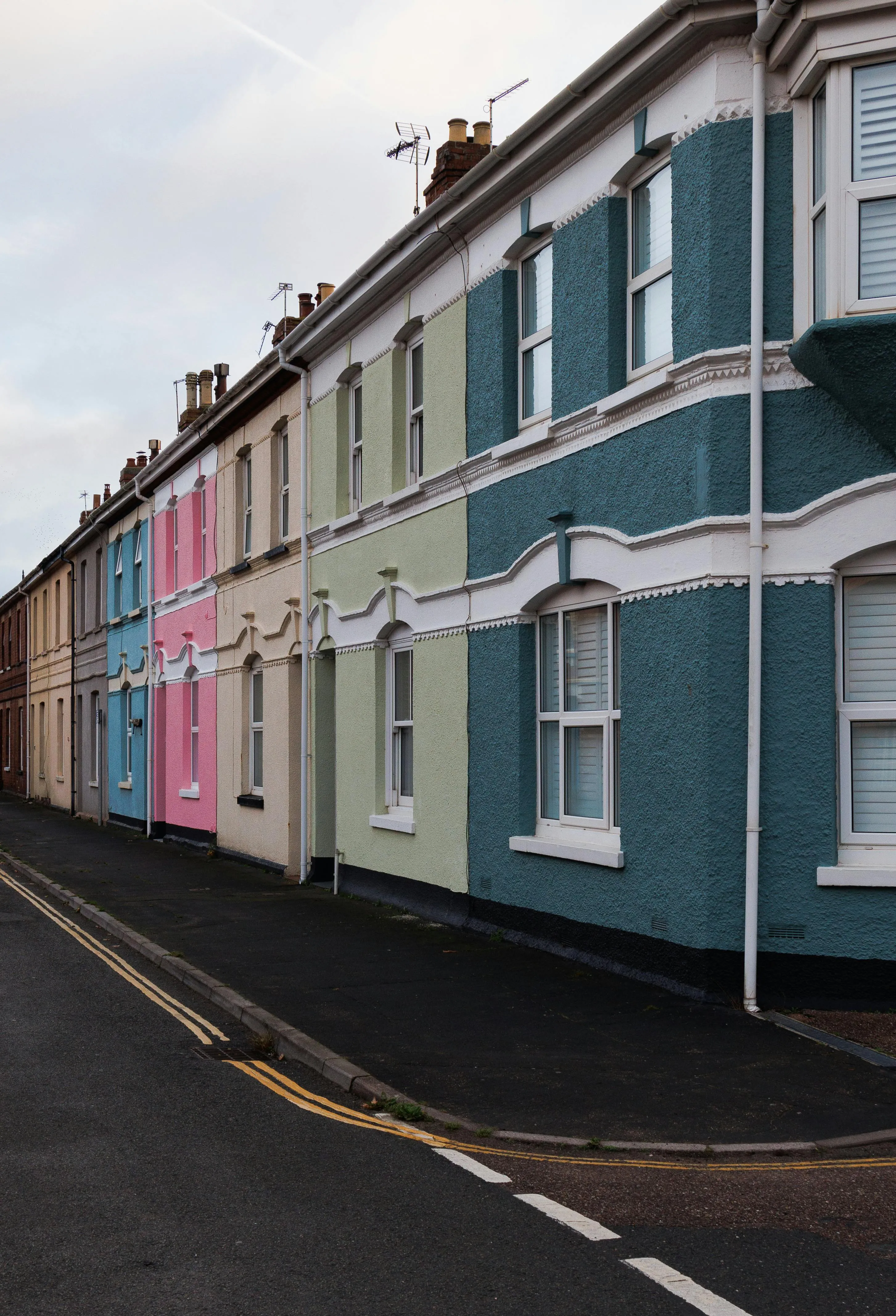
| Two-bed Victorian terrace (Highfields, Belgrave, West End) | 5 kW |
| Three-bed Victorian terrace with kitchen extension (Clarendon Park) | 6–7 kW |
| Three-bed interwar semi with filled cavities (Knighton, Western Park) | 6–8 kW |
| Post-war estate semi (Evington, Braunstone, Beaumont Leys) | 5–7 kW |
| Detached bungalow (Oadby, Birstall) | 6–9 kW |
| Four-bed Victorian or Edwardian villa (Stoneygate) | 10–13 kW |
These figures are for budgeting only. The real number comes from a room-by-room heat loss survey, which MCS requires.
What pushes the size up
- Solid walls. Victorian terraces and villas have solid brick walls, which lose more heat than filled cavities.
- Draughts through suspended timber floors, old windows and open chimneys.
- Thin or missing loft insulation.
- End-terrace or detached positions, with more outside wall.
- Tall ceilings and big bay windows, common in Stoneygate and Clarendon Park.
- Leicester’s climate. The East Midlands is colder than the South West (the nearby Sutton Bonington Met Office station averages a January overnight low of about 1.9°C), so the design day is colder than in Bristol or Cornwall.
What brings it down
- Filled cavity walls, standard in most interwar and later semis if they’ve been done.
- Loft insulation at about 270 mm.
- Draught-proofing: cheap and often DIY.
- Shared walls: a mid-terrace house loses far less heat through its party walls.
- Modern double glazing.
Doing the cheap improvements before your survey can drop the size by a kilowatt or more. See insulation before a heat pump.
Why not just go bigger to be safe?
An oversized heat pump:
- costs more to buy
- switches on and off frequently in mild weather (short-cycling), which reduces efficiency and shortens its life
- is physically larger and may be louder, making the 37 dB noise limit harder to meet in a tight Leicester back yard
And if it’s too small?
An undersized heat pump can’t keep the house warm on the coldest days and relies on an electric backup heater, which costs three or more times as much per unit of heat. You’ll notice it on the bill in a cold January.
A properly sized unit meets the full demand on the design day without backup.
Does hot water need a bigger heat pump?
No. The heat pump heats the cylinder between heating cycles. For a typical family, a 150–210 litre cylinder is enough. Because Leicester’s water is hard, ask for a cylinder with a heat pump-rated coil.
Moving from storage heaters
If your home is heated by storage heaters, the survey also has to design a full radiator system from scratch. The heat pump size follows the same heat loss calculation, but every room needs a new radiator sized for heat pump temperatures.
In short
Don’t accept a size quoted over the phone or from floor area. Ask for the heat loss figure, the design temperature used and the room-by-room radiator schedule.
Related: what it costs in Leicester · heat pumps in cold weather
See what a heat pump would look like in your Leicester home
The mechanism is the same in every UK home; the design is specific to yours. Our team carries out a free in-home survey including a full room-by-room heat-loss calculation, identifies the system size and configuration that fits your property, and provides a written quote with the £7,500 BUS grant already deducted.
You'll see the actual figure you'd pay — not an estimate — and the projected efficiency for your specific install.